
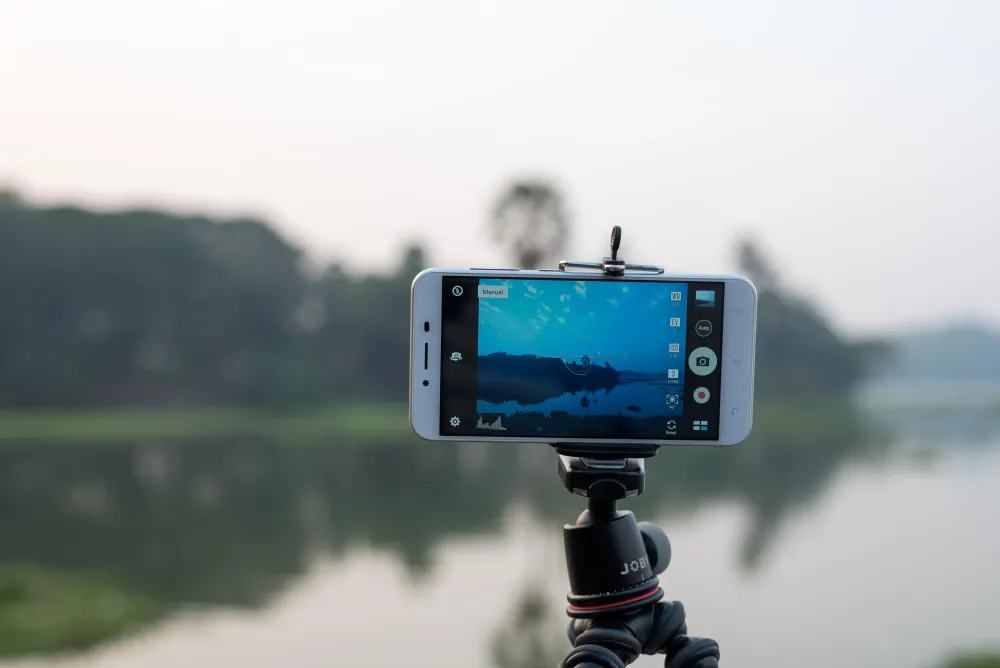
In today's digital world, your brand is often judged before anyone reads a single word about your business. Whether someone visits your website, scrolls through your Instagram page, or discovers your products online, photography is usually the first thing they notice.
Great photography builds trust, creates emotional connections, and makes your brand look professional. Poor photography does the exact opposite. It can make even the best products, services, or businesses appear unreliable or outdated.
Many business owners invest heavily in marketing, advertising, and social media but overlook one critical factor: visual presentation. The truth is that photography is not just about taking attractive pictures. It is about communicating your brand's identity, values, and quality.
Here are some of the most common photography mistakes that can quietly damage your brand—and how to avoid them.
1. Using Low-Quality Images
One of the biggest mistakes businesses make is using blurry, poorly lit, or low-resolution images.
Customers naturally associate image quality with business quality. If your photos look unprofessional, people may assume your products or services are too.
Imagine visiting two websites selling similar products. One features crisp, well-composed images, while the other has dark, grainy photos taken on an old phone. Most people will trust the first business immediately.
Photography is often your first impression. Make sure it's a strong one.
2. Inconsistent Visual Style
Have you ever visited a social media page where every photo looks completely different?
Some images are bright and colorful. Others are dark and dramatic. A few look professionally shot, while others appear random and rushed.
This inconsistency confuses viewers and weakens brand recognition.
Strong brands maintain a consistent visual identity. Their photography follows a similar style, color palette, editing approach, and overall mood.
Consistency helps people recognize your content instantly, even before they see your logo.
3. Overusing Stock Photos
Stock photos can be useful in certain situations, but relying on them too heavily can make your brand feel generic.
Consumers today are highly aware of authenticity. They want to see real people, real products, and real stories.
When every image on your website looks like a staged corporate advertisement, it becomes difficult for customers to connect with your business.
Whenever possible, invest in original photography that showcases your team, customers, workspace, products, or services. Authentic visuals create stronger trust and engagement.
4. Poor Product Photography
For e-commerce businesses, product photography can directly impact sales.
Many brands make the mistake of using cluttered backgrounds, poor lighting, awkward angles, or inconsistent product images.
Customers cannot physically touch or inspect products online. They rely entirely on photos to make purchasing decisions.
If your product images fail to clearly showcase details, quality, and features, potential buyers may leave without making a purchase.
Clean backgrounds, proper lighting, multiple angles, and high-resolution images can significantly improve customer confidence.
5. Ignoring Human Connection
People connect with people.
Many brands focus exclusively on products and forget to include human elements in their visual content.
Showing your team, customers, founders, or behind-the-scenes moments helps audiences connect emotionally with your brand.
Human-centered photography makes businesses feel approachable and trustworthy.
Whether you're a startup founder, restaurant owner, fashion brand, or content creator, don't underestimate the power of genuine human moments.
6. Overediting Images
Editing is an important part of photography, but excessive editing can hurt credibility.
Over-saturated colors, unrealistic skin tones, extreme filters, and heavy retouching often make images appear artificial.
Modern audiences value authenticity more than perfection.
Instead of trying to create flawless images, focus on enhancing natural quality while preserving realism.
The goal should be to make photos look polished—not fake.
7. Not Optimizing Images for Different Platforms
A photo that looks great on a website may not perform well on Instagram, LinkedIn, or other platforms.
Many businesses simply upload the same image everywhere without considering platform-specific requirements.
Different channels have different audience behaviors, dimensions, and content styles.
For example:
- Instagram favors visually engaging and mobile-friendly content.
- LinkedIn performs better with professional and business-oriented visuals.
- E-commerce platforms require detailed product-focused images.
Adapting photography to each platform helps maximize engagement and impact.
8. Neglecting Personal Branding
For entrepreneurs, consultants, creators, and business owners, personal branding photography is often overlooked.
Many professionals continue using outdated profile pictures or casual snapshots that don't reflect their current expertise.
People want to know who they are doing business with.
Professional headshots, workplace portraits, and lifestyle branding photos help establish credibility and trust.
In many cases, customers connect with the person behind the brand before they connect with the business itself.
9. Lack of Storytelling
Photography should do more than simply show what something looks like.
The most effective brand photography tells a story.
Think about the brands you remember most. Their images evoke emotions, communicate values, and create memorable experiences.
Instead of focusing only on products, ask yourself:
- What problem does this solve?
- How does it improve someone's life?
- What emotion should viewers feel?
Story-driven photography helps audiences connect with your brand on a deeper level.
10. Treating Photography as an Afterthought
Perhaps the biggest mistake of all is viewing photography as something optional.
Many businesses spend months developing products and marketing strategies but only think about photography at the last minute.
As a result, visuals become rushed, inconsistent, and ineffective.
Photography is not just decoration. It is a business asset.
Strong visual content supports marketing campaigns, social media growth, website conversions, public relations efforts, and customer trust.
Investing in quality photography often delivers returns far beyond the photos themselves.
Final Thoughts
In a world where attention spans are short and competition is intense, visual content plays a crucial role in shaping how people perceive your brand.
The good news is that most photography mistakes are entirely preventable.
By focusing on quality, consistency, authenticity, storytelling, and professionalism, businesses can create visual experiences that strengthen trust and leave lasting impressions.
Your brand deserves more than random pictures. It deserves photography that reflects the value, passion, and professionalism behind everything you do.
Because when people see your brand, what they see first often determines whether they choose to learn more—or move on.