Photography has changed more in the last five years than in the previous two decades. What used to be a planned, studio-based service has now become something instant, mobile, and deeply integrated into everyday life. In 2026, people don’t just “book a photographer” for big occasions anymore—they expect speed, flexibility, and content that feels natural, not staged.
This shift has created a clear divide: traditional studio photography on one side, and on-demand photography services on the other. Both have value, but they solve very different problems. The real question is not which is better overall—it’s which one fits the way people live today.
The Traditional Studio Experience: Controlled, Planned, and Formal
Traditional photography studios have always represented structure. You book an appointment, choose a package, arrive at a fixed location, and go through a planned shoot. Everything is controlled—lighting, background, poses, and timing.
This model works well for certain needs. For example, formal portraits, portfolio shoots, passport-style images, or carefully styled wedding albums often benefit from studio precision. The photographer has full control over the environment, which can result in highly polished and technically perfect images.
But the same strengths can also become limitations.
In a studio setup, creativity is often constrained by space and time. Clients must adjust to the studio’s availability, travel to the location, and work within a scheduled time slot. The experience can feel rehearsed, sometimes even rigid. It is not always ideal for capturing spontaneous emotions or real-life moments.
More importantly, in today’s fast-moving digital world, waiting for an appointment or final delivery can feel outdated. People are increasingly looking for immediacy—not just in communication, but in content creation itself.
The Rise of On-Demand Photography: Flexible, Instant, and Real
On-demand photography changes the entire logic of how photography services work. Instead of clients going to a studio, the photographer comes to them—home, office, event space, café, or even outdoor locations chosen on the spot.
This model reflects how modern life actually works. Events are no longer strictly planned weeks in advance. Content is created daily. Businesses need quick visuals for marketing. Influencers need instant shoots for campaigns. Families want candid moments captured without turning it into a formal production.
On-demand photography fits directly into this reality.
The biggest advantage is speed. A booking can often be made within minutes, and a photographer can be assigned quickly based on availability and skill. There is no dependency on a fixed studio or rigid scheduling system.
Another major advantage is authenticity. When people are photographed in their natural environment, the results feel more real. A birthday at home, a candid office moment, a street-style fashion shoot—these moments carry emotion that is difficult to recreate inside a studio.
On-demand photography also supports a wide variety of needs: personal branding, product shoots for small businesses, social media content, events, and lifestyle photography. It is not limited to one category—it adapts to many.
The Real Difference: Control vs Convenience
When comparing studio photography and on-demand photography, the difference comes down to two core values: control and convenience.
Studio photography offers maximum control. Lighting is perfect, setups are designed, and results are predictable. It is ideal when precision matters more than spontaneity.
On-demand photography offers maximum convenience. It adapts to the client’s location, time, and situation. It is ideal when speed, flexibility, and real-life storytelling matter more than perfect setups.
In 2026, most users are not choosing between good and bad photography—they are choosing between structured perfection and flexible storytelling.
And increasingly, flexibility is winning.
Why User Expectations Have Changed
The demand shift is not random. It reflects a larger cultural change in how people consume and create content.
First, social media has turned everyday life into shareable moments. People don’t wait for weddings or formal events to take photos anymore. They want instant content for Instagram, LinkedIn, brand campaigns, and personal milestones.
Second, attention spans are shorter. Brands and individuals need fast turnaround content. Waiting days for edited images often slows down marketing and storytelling.
Third, convenience has become non-negotiable. Just like food delivery and ride-hailing services, people now expect creative services to be on-demand as well.
Photography is no longer just an “event service.” It is a continuous content requirement.
Where Traditional Studios Still Win
Despite the rise of on-demand photography, traditional studios are not irrelevant. They still hold strong in specific areas:
- Controlled commercial shoots requiring heavy equipment
- High-fashion editorial work
- Formal corporate headshots
- Product shoots needing consistent lighting setups
In these cases, precision and repeatability matter more than spontaneity.
So it is not about replacement—it is about context.
The Future Is Hybrid, But Clearly Shifting
The future of photography is not a complete elimination of studios. Instead, it is a shift in dominance.
Studios will continue to exist for structured, high-control environments. But the majority of everyday photography demand—personal, social, and business content—is moving toward on-demand models.
This is similar to how offices didn’t disappear after remote work became popular; they simply stopped being the default for everything.
Photography is going through the same transition.
Final Verdict: Which One Is Better?
If the goal is perfection, controlled lighting, and studio-grade output, traditional studios still deliver strong value.
But if the goal is speed, authenticity, flexibility, and real-world storytelling, on-demand photography is clearly the better fit for 2026.
The way people create and consume visuals has changed. Photography is no longer a planned luxury—it is an everyday need.
And that is exactly where the next generation of services is emerging.
A New Way Forward
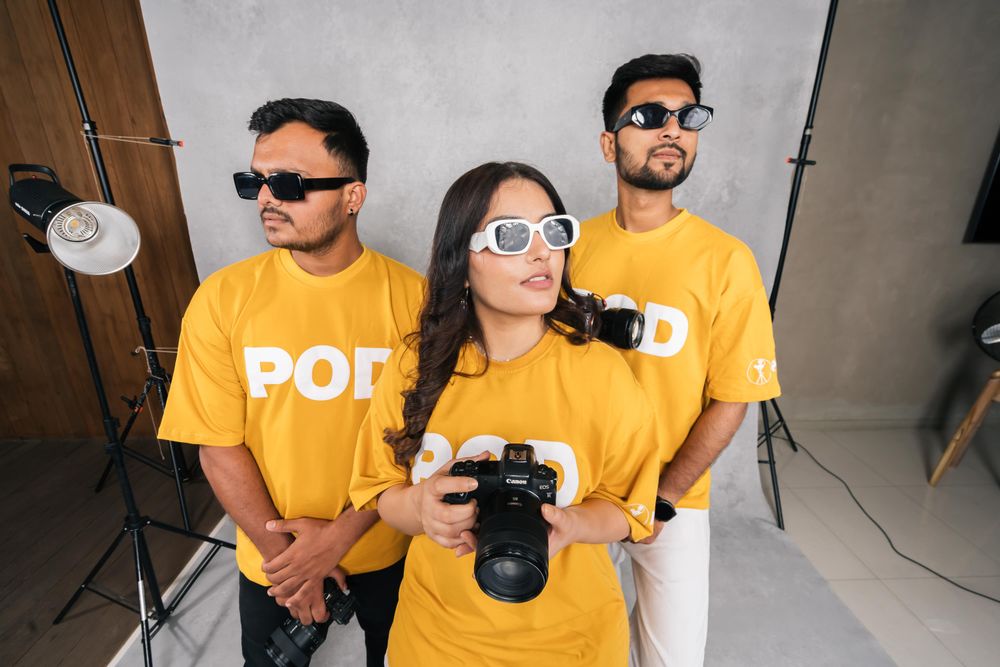
As this shift continues, platforms that combine speed, quality, and accessibility will define the future of photography. One such approach is POD: Photography on Demand, which brings photographers directly to users whenever and wherever they need them. It removes the delay of traditional booking systems and replaces it with instant, flexible, real-world photography—built for how people actually live today.
In a world where every moment can become content, photography is no longer about waiting. It is about being ready when life happens.