
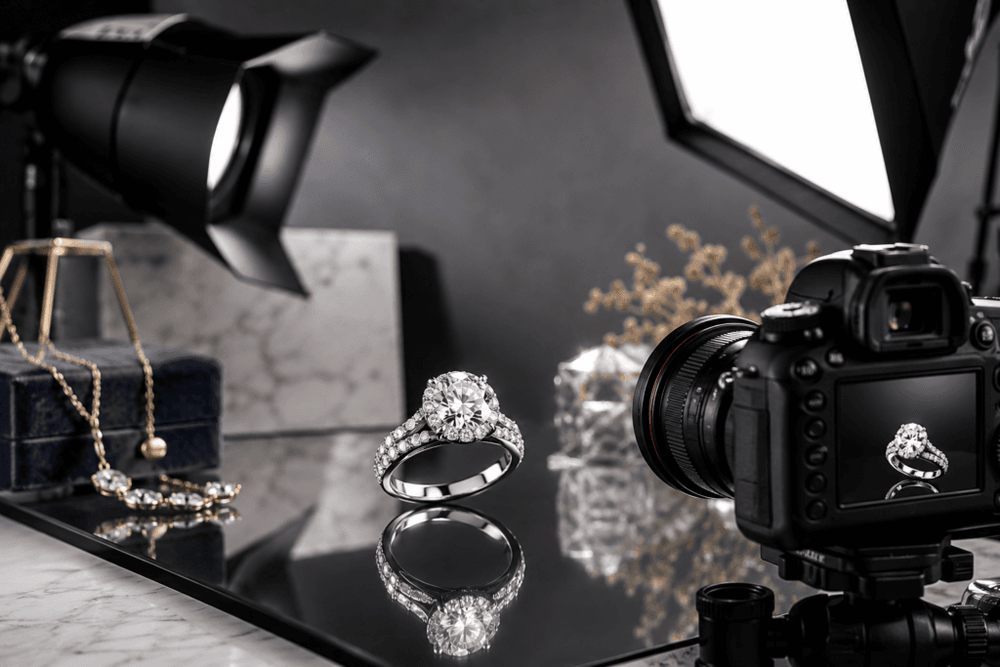
Jewelry is more than just an accessory—it tells a story. Whether it's an engagement ring that marks a milestone, a handcrafted silver bracelet, or a luxury diamond necklace, every piece deserves to be showcased in the best possible light. In today's digital-first world, customers often make buying decisions based on photographs long before they see a product in person. That's why high-quality jewelry photography has become essential for every jewelry brand, designer, and online seller.
This guide covers everything you need to know about jewelry photography, from preparation and lighting to styling and choosing the right photographer.
Why Jewelry Photography Matters
Unlike many other products, jewelry is small, reflective, and highly detailed. Customers want to examine every sparkle, texture, gemstone, and finish before making a purchase. Blurry or poorly lit images can make even an expensive piece appear ordinary.
Professional jewelry photography helps you:
- Build customer trust
- Showcase craftsmanship and intricate details
- Increase online conversions
- Reduce product returns by setting accurate expectations
- Create a premium brand image
For businesses selling through websites, marketplaces, or social media, investing in quality photography is one of the smartest marketing decisions you can make.
Prepare Your Jewelry Before the Shoot
Preparation makes a significant difference in the final result. Every fingerprint, dust particle, or scratch becomes visible in high-resolution images.
Before the shoot:
- Clean every piece using a microfiber cloth.
- Polish metals to remove fingerprints.
- Inspect gemstones for dust.
- Organize products according to collections.
- Keep matching earrings, rings, and necklaces together.
The less time spent editing imperfections later, the more natural your images will look.
Choose the Right Background
The background should enhance the jewelry without distracting attention.
Popular options include:
- Pure white for e-commerce listings
- Black for luxury collections
- Marble or stone textures for premium branding
- Wooden surfaces for handcrafted jewelry
- Soft fabric for elegant editorial shoots
Maintain consistency across your catalog so customers enjoy a seamless shopping experience.
Lighting Is Everything
Jewelry reflects light, making lighting the most important part of the process.
Soft, diffused lighting produces clean reflections and highlights the brilliance of gemstones without creating harsh glare.
Professional photographers typically use:
- Softboxes
- Diffusers
- Reflectors
- Controlled studio lighting
Natural daylight can work for lifestyle photography, but studio lighting offers better consistency, especially for online catalogs.
Capture Multiple Angles
Customers cannot hold the product before purchasing, so photographs should answer every visual question.
Include images of:
- Front view
- Side profile
- Close-up gemstone details
- Clasp or fastening mechanism
- Scale reference when worn
- Back design
- Packaging presentation
A complete gallery gives buyers confidence and improves the shopping experience.
Lifestyle Photography Builds Emotional Appeal
White-background product photos are important for marketplaces, but lifestyle images help customers imagine wearing the jewelry.
Consider photographing pieces:
- During weddings
- At festive celebrations
- With traditional attire
- In professional office settings
- During casual everyday moments
Lifestyle photography transforms jewelry from a product into part of someone's story.
Styling Matters
Simple styling often creates the strongest impact.
Choose complementary props such as:
- Fresh flowers
- Silk fabric
- Elegant boxes
- Natural stones
- Minimal accessories
Avoid overcrowding the frame. The jewelry should remain the hero of every photograph.
Editing Should Enhance, Not Mislead
Post-processing is an important step, but it should maintain authenticity.
Professional editing includes:
- Dust removal
- Color correction
- White balance adjustments
- Reflection control
- Background cleanup
- Cropping for different platforms
Avoid excessive editing that changes gemstone colors or metal finishes. Customers appreciate images that accurately represent the product.
Optimize Images for Every Platform
Different platforms require different image formats.
For example:
- E-commerce websites need clean white-background images.
- Instagram benefits from creative lifestyle visuals.
- Pinterest performs well with vertical compositions.
- Online advertisements require eye-catching hero shots.
- Catalogs often need high-resolution print-ready files.
Planning your shoot around multiple platforms saves time and ensures consistent branding.
Common Jewelry Photography Mistakes
Many brands unintentionally reduce the perceived value of their products by making avoidable mistakes.
These include:
- Using harsh direct flash
- Photographing dirty jewelry
- Inconsistent backgrounds
- Poor color accuracy
- Cropping too tightly
- Low-resolution images
- Distracting props
- Uneven lighting
Attention to detail is what separates premium jewelry photography from average product images.
Why Professional Jewelry Photography Is Worth the Investment
Although smartphones have excellent cameras today, jewelry remains one of the most challenging products to photograph because of its reflective surfaces and tiny details.
Professional photographers understand:
- Product styling
- Macro photography
- Reflection management
- Studio lighting
- Color accuracy
- Commercial image composition
The result is a collection of photographs that not only look beautiful but also help customers make confident purchasing decisions.
For jewelry brands launching new collections or expanding online, professional photography often delivers returns through improved engagement, stronger brand perception, and higher sales.
Choosing the Right Jewelry Photographer
Not every photographer specializes in product photography, so it's important to choose someone with relevant experience.
Before hiring, ask to see:
- Previous jewelry portfolios
- Experience with reflective products
- Editing quality
- Delivery timelines
- Commercial usage rights
- Equipment used for macro photography
A photographer who understands branding will create images that align with your marketing goals rather than simply documenting the product.
Hire Professional Jewelry Photographers with POD
If you're looking for experienced photographers without spending weeks searching through freelancers, POD (Photographer on Demand) offers a simple solution.
Through the POD app, you can book skilled photographers for jewelry shoots, product photography, brand campaigns, and commercial content with a convenient on-demand experience. Whether you're a boutique jewelry designer, an established retailer, or launching your first online collection, POD connects you with professionals who understand how to showcase products beautifully.
From clean e-commerce images to premium lifestyle campaigns, the right photographer can help your jewelry stand out in a competitive market. You can browse services, schedule a shoot, and hire photographers directly through the POD app available on the Google Play Store, making the entire booking process quick and hassle-free.
Final Thoughts
Jewelry photography is about more than taking attractive pictures—it's about communicating quality, craftsmanship, and trust. Every image represents your brand and influences whether a customer chooses to click "Buy Now."
By investing in proper preparation, professional lighting, thoughtful styling, and experienced photographers, you can create images that elevate your brand and inspire customer confidence.
If you're ready to present your jewelry collection with professional-quality visuals, consider booking your next shoot through the POD (Photographer on Demand) app on the Google Play Store. Working with experienced photographers can help you create stunning images that showcase every sparkle, strengthen your brand identity, and support long-term business growth.