
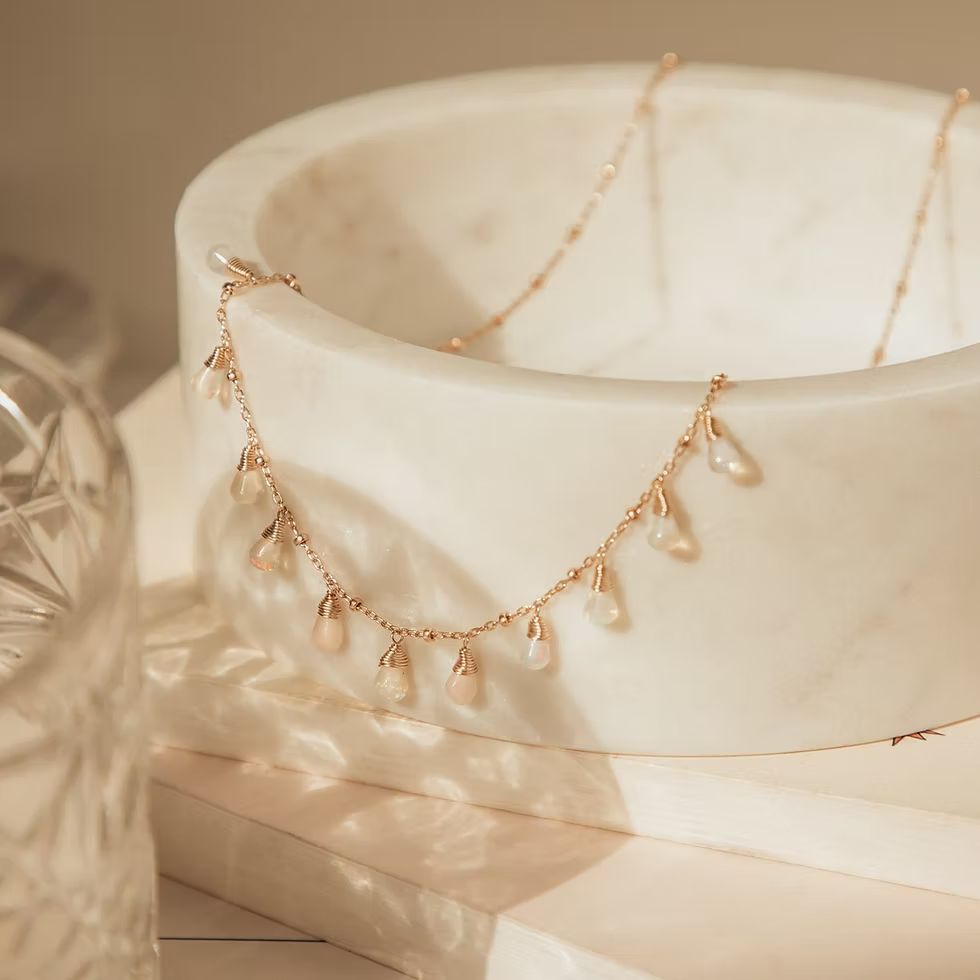
Jewellery is more than gold, diamonds, silver, or gemstones. Every piece tells a story. It may celebrate a wedding, mark an anniversary, become a family heirloom, or simply bring confidence to someone wearing it. Before customers experience that story in person, they experience it through a photograph.
In today's digital-first world, your jewellery photographs are often your first salesperson. Whether someone discovers your collection on Instagram, browses your website, or shops on an online marketplace, the quality of your images plays a major role in whether they click "Add to Cart" or move on.
Beautiful jewellery photography is not just about expensive cameras or fancy lighting. It is about presenting every piece honestly while highlighting the craftsmanship, elegance, and emotion behind it.
This guide explains how jewellery brands can create photographs that build trust, strengthen their identity, and increase sales.
Why Jewellery Photography Matters
Unlike clothing or furniture, jewellery is purchased based on tiny details. Customers want to inspect the sparkle of a diamond, the finish of a gold chain, the texture of handcrafted silver, or the brilliance of a gemstone.
When photographs are blurry, poorly lit, or heavily edited, buyers become uncertain. On the other hand, sharp and natural-looking images make customers feel confident in what they are purchasing.
Professional jewellery photography helps brands:
Build credibility with new customers Highlight craftsmanship and premium quality Increase online engagement Improve conversion rates Reduce product returns caused by inaccurate expectations
A great photograph doesn't exaggerate a product—it represents it at its very best.
Understand Your Brand Before Picking Up the Camera
Every jewellery brand has its own personality.
A luxury diamond brand usually prefers clean, elegant, minimal images with soft lighting. A handmade silver jewellery business may choose earthy backgrounds and lifestyle settings. Fashion jewellery brands often embrace vibrant colours and bold styling.
Before planning a photoshoot, ask yourself:
Who is my ideal customer? What emotions should these photographs create? Where will these images be used? What style best reflects my brand identity?
Having clear answers creates consistency across your website, catalogue, advertisements, and social media.
Lighting Makes All the Difference
Jewellery is one of the most challenging products to photograph because every polished surface reflects light.
Instead of using harsh direct lighting, professional photographers often rely on soft, diffused light that reveals sparkle without creating distracting reflections.
Softboxes, diffusers, and light tents help distribute light evenly around the jewellery, allowing gemstones to shine while preserving intricate details.
Natural daylight can also produce beautiful results when controlled carefully, especially for lifestyle images featuring models.
The objective is simple: let the jewellery shine—not the lighting equipment.
Choose Backgrounds That Complement the Jewellery
The background should never compete with the product.
For e-commerce listings, white backgrounds remain the industry standard because they keep attention on the jewellery and meet the requirements of most online marketplaces.
Lifestyle campaigns allow more creativity. Marble, silk fabric, textured wood, stone, or elegant props can add personality without distracting from the product.
Whatever background you choose, simplicity usually creates the strongest visual impact.
Capture Every Important Angle
Customers cannot hold jewellery in their hands while shopping online. Your photographs must answer every question they might have.
Include multiple views of each product:
Front view Side profile Back view Close-up of gemstones Clasp or locking mechanism Scale reference Packaging photographs
Showing every angle builds transparency and helps customers make informed decisions.
Lifestyle Photography Creates an Emotional Connection
Product photographs explain what the jewellery looks like.
Lifestyle photographs explain how it feels to wear it.
A delicate necklace worn during a celebration, elegant earrings paired with traditional attire, or a simple bracelet styled with everyday clothing helps customers imagine the jewellery becoming part of their own lives.
The best lifestyle photography feels authentic rather than overly staged. Genuine smiles, natural poses, and comfortable styling often outperform highly dramatic setups because they feel relatable.
People don't just buy jewellery—they buy the emotions associated with wearing it.
Don't Overlook Macro Photography
Jewellery is all about details.
Macro photography allows customers to appreciate intricate craftsmanship, gemstone settings, engraved patterns, and premium finishing that ordinary photographs cannot fully capture.
These close-up images demonstrate quality and justify premium pricing by showcasing the work behind each piece.
Even customers who never zoom in consciously appreciate brands that present every detail with care.
Editing Should Enhance, Not Mislead
Post-processing is an important part of jewellery photography, but honesty should always come first.
Professional editing usually includes:
Colour correction Dust and scratch removal Exposure adjustments Reflection control Background cleanup Sharpness enhancement
However, editing should never alter the actual appearance of gemstones, precious metals, or product dimensions.
Customers expect the jewellery they receive to look like the jewellery they saw online. Meeting that expectation builds trust and encourages repeat purchases.
Consistency Builds a Strong Brand
One of the biggest mistakes jewellery businesses make is using different photography styles for every collection.
Some products have white backgrounds, others use colourful props, while a few appear dark or heavily edited. This inconsistency makes the brand feel unprofessional.
Instead, establish clear photography guidelines for:
Lighting Backgrounds Camera angles Editing style Image dimensions Colour tones
A consistent visual identity makes your catalogue look polished and memorable.
Create Content Beyond Product Listings
Modern jewellery brands need more than catalogue images.
Customers also engage with behind-the-scenes content, craftsmanship videos, designer stories, styling inspiration, festive campaigns, and customer testimonials.
Consider creating photographs for:
Social media posts Instagram Reels thumbnails Website banners Email campaigns Advertisements Gift guides Festival promotions New collection launches
One well-planned photoshoot can generate content for several months if captured strategically.
Invest in Professional Photography
While smartphones have become remarkably capable, jewellery remains one of the most technically demanding products to photograph.
Capturing tiny reflective surfaces requires specialised lighting, careful positioning, precision editing, and experience.
Professional photographers understand how to minimise reflections, highlight brilliance, preserve accurate colours, and present every piece in its best light.
For growing jewellery brands, professional photography is not simply an expense—it is a long-term investment in customer trust and brand perception.
Final Thoughts
Every jewellery piece represents hours of creativity, craftsmanship, and attention to detail. Your photography should honour that effort.
When customers browse your collection, they should instantly recognise the quality, elegance, and personality behind your brand. Great photographs do more than showcase products—they create desire, build credibility, and inspire confidence.
Whether you are launching a new jewellery label, expanding your online store, or refreshing your existing catalogue, thoughtful photography can become one of your strongest marketing tools.
In a competitive market where customers often make purchasing decisions within seconds, exceptional jewellery photography is no longer optional. It is the bridge between beautiful craftsmanship and a customer's decision to own a piece that will become part of their story.