
When planning a photoshoot, one of the first decisions you'll face is whether to shoot indoors or outdoors. It sounds like a simple choice, but it can have a huge impact on the mood, style, and overall outcome of your photographs.
Some people dream of golden sunsets in a beautiful park, while others prefer the clean, controlled environment of a professional studio. The truth is, there isn't a one-size-fits-all answer. The right location depends on your purpose, personality, budget, and the story you want your photos to tell.
Whether you're planning a wedding shoot, a family portrait, a personal branding session, or content for your business, understanding the strengths of both indoor and outdoor photography will help you make the right decision.
Why Indoor Photoshoots Are Popular
Indoor photography offers one major advantage: control.
Unlike outdoor locations where changing weather or crowds can affect your plans, an indoor studio provides a predictable environment. Lighting, backgrounds, temperature, and privacy are all managed, allowing photographers to focus entirely on creating beautiful images.
Professional studios also come equipped with lighting equipment, backdrops, props, and accessories that can completely transform a scene.
Indoor photoshoots work especially well for:
- Personal branding photography
- Fashion editorials
- Product photography
- Corporate headshots
- Newborn and baby photography
- Cake smash sessions
Another advantage is consistency. Every photograph can have the same lighting and color balance, making indoor shoots ideal for businesses that need professional images for websites, advertisements, or social media.
Benefits of Outdoor Photoshoots
Outdoor photography offers something that no studio can fully recreate—natural beauty.
Whether it's a garden in bloom, historic architecture, a peaceful lake, or the warm glow of sunset, nature adds depth and emotion to every frame.
Natural light often creates soft, flattering portraits, especially during the "golden hour," shortly after sunrise or before sunset.
Outdoor sessions are perfect for:
- Pre-wedding photography
- Wedding portraits
- Family sessions
- Travel photography
- Lifestyle content
- Maternity shoots
- Graduation portraits
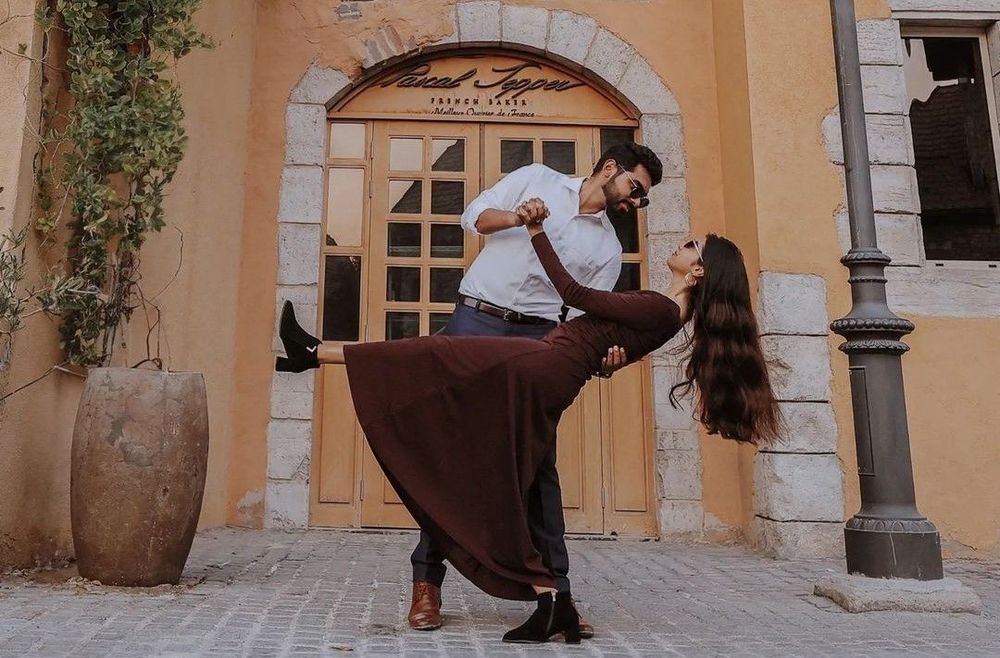
Outdoor locations also encourage natural movement. Instead of standing in front of a plain backdrop, couples can walk together, children can play, and families can interact naturally, resulting in genuine smiles and authentic moments.
These spontaneous interactions often become the most cherished photographs.
Things to Consider Before Choosing
Before deciding between indoor and outdoor photography, ask yourself a few important questions.
What is the purpose of the photoshoot?
If you're creating professional images for LinkedIn, company websites, or business marketing, an indoor studio usually provides a polished and distraction-free look.
If you're celebrating a milestone like an engagement, anniversary, or family gathering, an outdoor location may better capture emotions and memories.
What style do you prefer?
Some people love elegant, minimal portraits with controlled lighting.
Others prefer vibrant landscapes, natural colors, and candid moments.
Browse photography portfolios and identify which style resonates with you before making a decision.
What is the weather like?
Weather can dramatically affect outdoor photography.
Unexpected rain, extreme heat, strong winds, or harsh sunlight may force photographers to adjust schedules or locations.
Indoor sessions eliminate this uncertainty and are especially helpful during monsoon seasons or very hot summers.
How much privacy do you need?
Studios provide a private environment where clients feel more comfortable experimenting with poses, outfit changes, and creative concepts.
Outdoor locations can attract curious onlookers, especially in popular tourist spots or city parks.
If you're camera-shy, an indoor studio may help you feel more relaxed.
Indoor Photography Pros and Cons
Advantages
- Complete control over lighting
- No weather interruptions
- Greater privacy
- Professional backgrounds
- Comfortable environment
- Easier outfit changes
Challenges
- Studio rental may increase costs
- Limited natural scenery
- Creative setups depend on equipment and design
- May feel less spontaneous
Outdoor Photography Pros and Cons
Advantages
- Beautiful natural backgrounds
- Authentic lifestyle feel
- Variety of locations
- Soft natural light
- Relaxed atmosphere
- Unique seasonal colors
Challenges
- Weather can be unpredictable
- Crowded public spaces
- Changing lighting conditions
- Travel time between locations
- Permit requirements in some places
Which Photoshoots Work Best Indoors?
Indoor settings are ideal whenever precision matters.
For example, product photography requires consistent lighting to accurately represent colors and textures.
Personal branding sessions often use studio lighting to create polished portraits suitable for websites, presentations, and marketing campaigns.
Baby photography is another excellent example. Newborns are most comfortable in climate-controlled environments where parents have easy access to changing stations and feeding areas.
Similarly, fashion shoots often rely on carefully designed lighting setups that highlight clothing details.
Which Photoshoots Work Best Outdoors?
Outdoor photography shines when emotion and storytelling are the priority.
Engagement sessions become more romantic when photographed in gardens, beaches, or heritage locations.
Family photography feels more natural when children have space to run, laugh, and play.
Travel influencers and content creators also prefer outdoor settings because they create visually engaging backgrounds that cannot be replicated inside a studio.
Even business owners increasingly choose outdoor branding sessions in cafés, creative workspaces, or urban streets to showcase personality alongside professionalism.
Can You Combine Both?
Absolutely.
Many photographers now recommend combining indoor and outdoor photography in a single session.
For example, a wedding day naturally includes indoor preparations followed by outdoor ceremonies and portraits.
A personal branding shoot might begin inside a studio for professional headshots before moving outdoors for relaxed lifestyle images.
This combination offers greater variety and allows clients to build a more versatile photo collection.
Final Thoughts
Choosing between an indoor and outdoor photoshoot isn't about finding the "better" option—it's about choosing the environment that best tells your story.
If you value complete control, privacy, and professional consistency, an indoor studio is an excellent choice.
If you want natural light, authentic moments, and breathtaking backgrounds, outdoor photography offers endless creative possibilities.
The best photographers don't simply choose a location—they choose the setting that matches your personality, purpose, and vision.
Before booking your next photoshoot, discuss your goals with your photographer. Share inspiration images, explain how you'll use the photographs, and remain open to suggestions. A skilled photographer can recommend the ideal setting—or even combine both styles—to create images you'll be proud to share and cherish for years to come.
At the end of the day, great photography isn't defined by four studio walls or an open landscape. It's defined by meaningful moments, thoughtful planning, and the connection between the photographer and the people in front of the camera.