
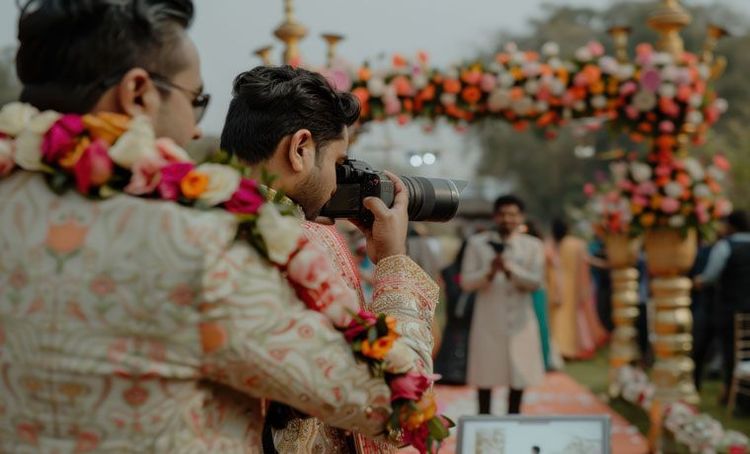
A wedding day moves faster than anyone expects.
One moment, the bride is getting ready with her family, sharing emotional conversations and last-minute laughs. The next moment, guests are arriving, rituals are beginning, and suddenly the day you spent months planning is becoming a collection of memories.
Among all the decisions couples make before their wedding, one question often creates confusion:
“How many hours of wedding photography do we actually need?”
Many couples either book too few hours and miss important moments or pay for extra coverage they never really use. The right answer depends on your wedding schedule, traditions, priorities, and the kind of story you want your photographs to tell.
Wedding photography is not just about capturing the ceremony. It is about preserving the emotions, relationships, and small moments that make the day unforgettable.
Let’s understand how much coverage you truly need.
2–3 Hours: Suitable for Small Ceremonies or Specific Moments
Short photography coverage can work well when you only want a particular part of your wedding captured.
For example:
- A court marriage
- A small engagement ceremony
- A simple temple wedding
- A pre-wedding event
- A private family celebration
In 2–3 hours, photographers can usually capture the key highlights:
- Couple portraits
- Family photographs
- Main rituals
- Important decorations
- Guest interactions
However, shorter coverage means there is limited time for storytelling.
The photographer may not capture the quiet moments before the ceremony, such as a parent helping the bride get ready, friends sharing jokes, or the nervous excitement before walking toward the mandap.
These small moments often become the most meaningful photographs years later.
4–6 Hours: The Most Common Choice for Single-Day Weddings
For many couples, 4–6 hours provides a balanced photography experience.
This duration works well for weddings where the main ceremony and celebrations happen at the same location.
A typical timeline may include:
- Bride and groom preparations
- Decoration details
- Guest arrivals
- Wedding rituals
- Couple portraits
- Family photos
- Celebration moments
This option gives photographers enough time to capture both planned photographs and natural emotions.
For example, the photograph of the bride wearing her jewellery may be planned. But the moment when her mother looks at her with pride is spontaneous. Good photography coverage creates space for both.
If your wedding is a simple one-day event without multiple ceremonies, 4–6 hours can often be enough.
8–10 Hours: Ideal for Full Wedding Stories
If you want your wedding album to feel like a complete story, longer coverage is usually better.
An 8–10 hour package allows photographers to document the entire journey of the day.
This can include:
Getting Ready Moments
Some of the most emotional photographs happen before the ceremony begins.
A bride sharing a quiet moment with her parents, the groom laughing with friends, siblings helping with final preparations — these moments set the mood for the entire wedding story.
Details and Decorations
Wedding details disappear quickly after the event.
Photography preserves:
- Invitations
- Wedding outfits
- Jewellery
- Flowers
- Stage designs
- Personal touches
These details represent months of planning and deserve to be remembered.
Ceremony and Celebration
Longer coverage captures the complete flow:
- Guest arrivals
- Rituals
- Emotional reactions
- Exchange of vows or garlands
- Couple portraits
- Dance and celebrations
Instead of only showing the highlights, your photographs show the experience.
Full-Day Coverage: Best for Grand Indian Weddings
Indian weddings are rarely just one event.
They often include:
- Haldi
- Mehendi
- Sangeet
- Wedding ceremony
- Reception
- Family gatherings
For multi-day celebrations, full-day or multi-event photography coverage makes more sense.
Each function has a different personality.
The Mehendi might be colourful and playful. The Sangeet may be energetic and emotional. The wedding ceremony may be traditional and meaningful.
A complete photography team can capture these different emotions separately, creating a richer wedding story.
Factors That Decide How Many Hours You Need
There is no universal number that works for every couple. Before choosing a photography package, consider these factors:
1. Number of Events
A single ceremony needs less time compared to a three-day celebration.
List every event you want photographed before finalising your booking.
2. Venue Distance
If your preparation location, ceremony venue, and reception venue are different, you need additional hours for travel and setup.
3. Importance of Candid Moments
If you love natural, emotional photographs, give your photographer enough time.
Candid photography requires patience. The best moments are often unexpected.
4. Number of Guests
A wedding with 50 guests and a wedding with 500 guests have completely different photography requirements.
Larger weddings require more time to capture family groups, guest interactions, and celebrations.
5. Your Personal Priorities
Ask yourself:
Do you only want photographs of the ceremony?
Or do you want a complete visual story of your wedding day?
Your answer will help determine the right coverage.
Why More Hours Do Not Always Mean Better Photos
While longer coverage provides more opportunities, the photographer’s experience matters equally.
A skilled photographer knows when to be present and when to step back.
They understand emotions, lighting, timing, and relationships.
A great wedding album is not created by simply taking thousands of pictures. It comes from capturing the right moments at the right time.
A Simple Rule to Remember
Here is a practical guideline:
- Small ceremony: 2–4 hours
- Single-day wedding: 5–8 hours
- Traditional Indian wedding: 8–12 hours
- Multi-day celebration: Separate coverage for each event
Choose based on your story, not just the number of hours.
Keynote
Your wedding day will pass in a few hours, but the photographs will stay for generations.
The laughter of your friends, the emotions of your parents, the excitement before the ceremony, and the little moments you did not notice in real time — these are the memories photography protects.
Instead of asking, “How many hours should we book?”
Ask:
“Which moments do we want to remember forever?”
Once you know that, choosing the right photography coverage becomes much easier. Your wedding deserves enough time to tell its complete story.