
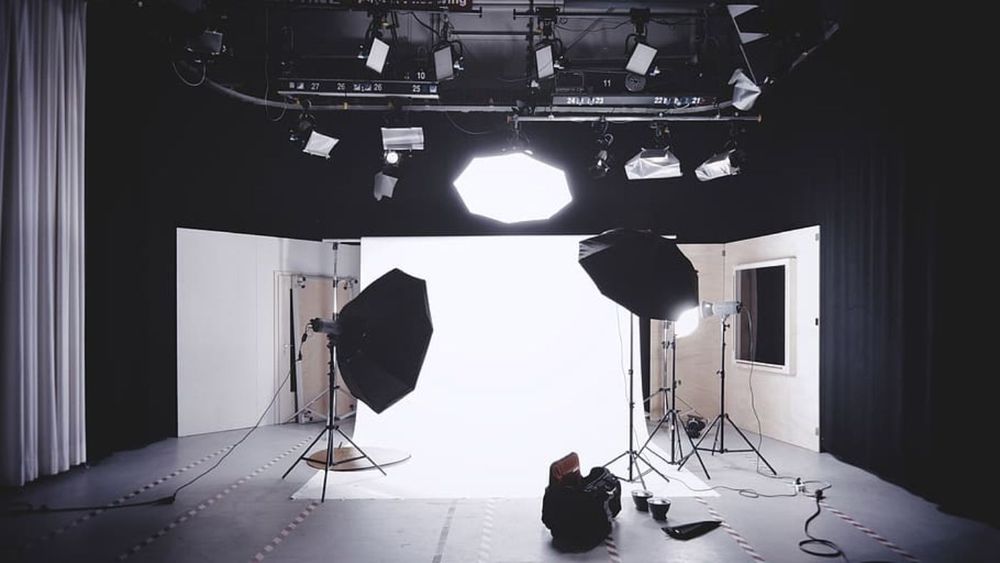
A photoshoot often begins with a simple thought: “We need some good pictures.”
But for a modern business, that mindset is leaving a lot of value on the table.
A single, well-planned photoshoot can become much more than a folder of polished images. It can fuel Instagram posts, website banners, product pages, advertisements, reels, stories, email campaigns, marketplace listings, founder content, and even sales presentations.
The real question isn't how many photographs you can capture in one day. It's how much content you can create from that one production.
With the right planning, one photoshoot can give a business enough visual material to stay active for an entire month.
Start With the Content, Not the Camera
One of the most common mistakes businesses make is booking a shoot before deciding what they actually need.
The photographer arrives, the products are arranged, everyone takes a few photos, and the team later tries to figure out where those images can be used.
Reverse the process.
Before the shoot, create a simple list of everything the business expects to publish over the next 30 days.
For example, a fashion brand might need:
Product photos for its website Instagram posts Reels Stories Paid advertisements New-launch announcements Customer testimonials Email banners Marketplace images
Suddenly, the shoot has a purpose beyond “getting photos.”
You're building a content library.
One Setup, Multiple Stories
You don't necessarily need 30 completely different setups to create 30 days of content.
Often, one location or product setup can produce several different types of assets.
Imagine a restaurant photographing a new menu.
The team could capture a wide interior shot, individual dishes, close-up food details, staff interactions, chef portraits, customers enjoying the experience, behind-the-scenes preparation, and vertical video clips.
The same shoot can then support different stories throughout the month.
Monday might be a hero dish.
Wednesday could be a behind-the-scenes Reel.
Friday could showcase the restaurant's ambience.
The following week could feature the chef.
The content feels different to the audience even though much of it came from the same production day.
That is the power of planning for variety rather than volume.
Shoot in Multiple Formats
Today, content doesn't live in one place.
A beautiful landscape photograph might work perfectly on a website but poorly as an Instagram Story. A vertical video may perform brilliantly on Reels but have limited use on a product page.
That's why format should be part of the shoot plan.
Capture a mixture of:
Horizontal images for websites and banners Vertical images for social media Square-friendly compositions for feeds Close-ups for product details Wide shots for campaigns Short video clips for Reels and ads
Even a few seconds of movement can become valuable later.
A model walking, a product being opened, a chef plating food, or a founder speaking to the camera can become short-form video content.
You don't need to turn every photoshoot into a full-scale film production. You simply need to remember that content is no longer static.
Don't Forget the “In-Between” Moments
Some of the most useful content isn't the perfectly posed photograph.
It's the moment just before it.
A creator adjusting a product. A designer arranging clothes. A chef preparing a dish. A founder reviewing samples. A team laughing between takes.
These moments add personality.
They make a brand feel human.
They can also become excellent material for Stories, Reels, LinkedIn posts, and behind-the-scenes content.
When planning a shoot, deliberately leave some room for these unscripted moments. Not everything needs to look like an advertisement.
Sometimes, the imperfect frame is the one people remember.
Build a 30-Day Content Map
Once the shoot is complete, don't dump all the images into a shared folder and forget about them.
Organize them into a simple content calendar.
For example:
Week 1: Product introduction, hero image, behind-the-scenes Reel, Story poll
Week 2: Product detail, customer-focused post, team photograph, educational Reel
Week 3: Lifestyle image, founder story, product comparison, behind-the-scenes Story
Week 4: Best-performing product, testimonial, promotional creative, month-end Reel
Now the photoshoot becomes a month-long marketing asset rather than a one-day expense.
And there's another advantage: your social media starts feeling more consistent.
Instead of scrambling every Tuesday morning to find something to post, your team already has a bank of relevant content waiting to be used.
Give Every Image a Job
Not every photograph needs to sell something directly.
Some images should attract attention.
Some should educate.
Some should build trust.
Some should showcase the product.
Some should simply remind customers that the brand exists.
Think of your content in terms of different roles:
Attract: Eye-catching visuals that stop the scroll.
Educate: Images supporting tips, information, or explanations.
Convert: Product-focused visuals designed to encourage a purchase.
Connect: Human, behind-the-scenes content that builds familiarity.
Retain: Content that keeps existing customers engaged.
This approach prevents your feed from becoming a repetitive catalogue.
Make the Shoot Work Harder
A professional photoshoot costs more than the photographer's time. There may be models, locations, styling, makeup, props, travel, products, production staff, and several hours of coordination involved.
That makes preparation extremely important.
Create a shot list.
Prepare products beforehand.
Finalize outfits.
Choose locations carefully.
Decide which images need negative space for advertising copy.
Identify the platforms where each asset will be used.
And if video is part of your strategy, communicate that before the shoot begins.
A few minutes of additional planning can save hours of production later.
The Bigger Shift: From Photoshoot to Content Production
The biggest change businesses need to make is conceptual.
A photoshoot shouldn't be treated as a single event that produces a handful of photographs.
It should be treated as a content production session.
That small shift changes everything.
Instead of asking, “How many photos will we get?”, ask:
“How many useful pieces of content can this shoot create?”
That could mean 20 photographs, five short videos, ten Story assets, three advertisements, a website banner, product-page imagery, and weeks of social media content.
The goal isn't simply to capture more.
It's to capture smarter.
One Shoot Can Power an Entire Month
Great content doesn't always require a new production every few days.
It requires thoughtful planning, the right creator, and a clear understanding of what the business needs to communicate.
When a photoshoot is planned around the next 30 days—not just the next 30 minutes—it becomes far more valuable.
For growing businesses, this is where on-demand photography and creator services can make a real difference. Instead of waiting for the perfect campaign or investing in a large production every time content is needed, brands can build a more flexible rhythm around their actual marketing needs.
Because the future of content isn't about creating more for the sake of creating more.
It's about getting more value from every moment you create.
And sometimes, the best 30 days of content can begin with just one well-planned shoot.