
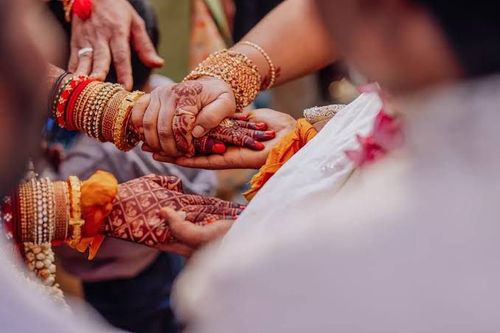
Your wedding day is filled with moments you'll want to remember forever—the excitement before the ceremony, the laughter shared with family, the emotions during the vows, and the celebrations that continue long after the rituals end. While these memories live in your heart, wedding photographs preserve them in a way that allows you to relive every smile, every tear, and every joyful moment.
One of the first decisions couples face when planning wedding photography is choosing between candid photography and traditional photography. Both styles have their own charm, purpose, and storytelling approach. Neither is objectively better than the other; the right choice depends on your personality, your wedding style, and the memories you want to preserve.
In this guide, we'll explore the differences between candid and traditional wedding photography, along with the advantages of each style, so you can make an informed decision for your special day.
What Is Traditional Wedding Photography?
Traditional wedding photography focuses on posed, well-composed, and carefully arranged photographs. The photographer directs the couple, family members, and guests to ensure everyone is looking at the camera and positioned correctly.
This style has been popular for decades because it creates timeless images that are perfect for family albums, framed portraits, and printed wedding collections.
Traditional photography typically includes:
- Family group photographs
- Couple portraits
- Ceremony highlights
- Stage photographs with guests
- Formal wedding rituals
- Portraits of the bride and groom
The emphasis is on creating clear, elegant, and organized photographs that document every important event of the wedding.
What Is Candid Wedding Photography?
Candid wedding photography captures genuine emotions and natural interactions without asking people to pose. Instead of directing every movement, the photographer quietly observes the event and photographs authentic moments as they unfold.
Whether it's a parent's emotional expression during the ceremony, friends laughing during the celebrations, or the couple sharing a quiet smile between rituals, candid photography tells the story of the wedding through real emotions.
Common candid moments include:
- Bride and groom getting ready
- Parents becoming emotional
- Friends enjoying the celebration
- Children playing during the ceremony
- Guests sharing conversations
- Genuine laughter and unexpected reactions
The goal is to preserve memories exactly as they happened.
Key Differences Between Candid and Traditional Photography
Although both styles capture the same wedding, they approach storytelling differently.
Style
Traditional photography focuses on carefully posed images where everyone is looking at the camera. Every frame is thoughtfully arranged to create a polished and balanced composition.
Candid photography, on the other hand, embraces spontaneity. Expressions, gestures, and emotions happen naturally, creating photographs that feel alive and unscripted.
Direction
Traditional photographers actively guide people throughout the shoot. They suggest poses, adjust positions, and ensure everyone is properly arranged.
Candid photographers generally work from the background, allowing events to unfold naturally while documenting authentic interactions.
Emotion
Traditional photographs capture beautiful portraits and important ceremonies, while candid photography often highlights the emotions behind those moments. The tears, laughter, excitement, and subtle expressions become part of the story.
Purpose
Traditional photography creates formal keepsakes that families treasure for generations. Candid photography creates a visual narrative that helps couples relive the atmosphere and emotions of the day.
Advantages of Traditional Wedding Photography
Traditional photography continues to be an important part of weddings for several reasons.
Every Important Person Is Included
One of the biggest advantages is ensuring that every family member, relative, and close friend appears in the wedding album. Group portraits become cherished memories that families revisit for years.
Timeless Appeal
Well-composed portraits never go out of style. These photographs remain elegant regardless of changing photography trends.
Perfect for Albums and Frames
Traditional portraits are ideal for wedding albums, home décor, thank-you cards, and family keepsakes.
Structured Coverage
Since the photographer follows a planned shot list, there's less chance of missing key rituals or important family photographs.
Advantages of Candid Wedding Photography
Candid photography has become increasingly popular because it captures the emotional side of weddings.
Genuine Emotions
Nothing compares to authentic smiles, happy tears, or spontaneous laughter. These moments often become the most memorable photographs in the entire wedding collection.
Natural Storytelling
Instead of isolated portraits, candid photography creates a complete story—from the excitement of getting ready to the final celebration.
Relaxed Experience
Many couples feel nervous posing for long periods. Candid photography allows them to focus on enjoying their wedding while beautiful moments are captured naturally.
Unique Memories
Since no two weddings unfold in exactly the same way, candid photographs are highly personal and impossible to recreate.
Which Style Should You Choose?
The answer depends on your expectations.
Traditional photography may be the right choice if you:
- Value formal family portraits
- Want every guest documented
- Prefer classic and timeless images
- Enjoy posed photographs
- Have a traditional wedding ceremony
Candid photography may suit you better if you:
- Prefer natural expressions over posed smiles
- Want emotional storytelling
- Feel uncomfortable posing for long periods
- Love documentary-style photography
- Want your wedding day captured as it naturally happens
Why Many Couples Choose Both
Today's weddings rarely rely on just one photography style.
Most professional wedding photographers combine candid and traditional photography to provide complete coverage of the event.
For example:
Traditional photography captures:
- Family portraits
- Couple portraits
- Group photographs
- Ceremony highlights
Candid photography captures:
- Emotional reactions
- Behind-the-scenes moments
- Natural interactions
- Celebrations and dancing
- Unscripted memories
This combination ensures that couples receive both timeless portraits and authentic storytelling.
Tips for Getting the Best Wedding Photos
No matter which style you prefer, a little preparation can make a big difference.
- Discuss your expectations with your photographer well before the wedding.
- Share a list of important family members and key moments you want captured.
- Create a timeline for major ceremonies and events.
- Allow enough time for couple portraits without feeling rushed.
- Trust your photographer's creative direction while also communicating your preferences.
Open communication helps ensure the final album reflects your vision.
Final Thoughts
Choosing between candid and traditional wedding photography isn't about deciding which style is superior—it's about understanding what matters most to you. Traditional photography preserves the formal milestones and family portraits that become treasured keepsakes, while candid photography captures the emotions, energy, and unexpected moments that make your wedding uniquely yours.
For many couples, the ideal wedding album includes both. A balanced approach combines timeless portraits with heartfelt storytelling, creating a collection of images that reflects not only how your wedding looked but also how it felt.
When selecting a wedding photographer, look beyond pricing alone. Review their portfolio, discuss their approach, and make sure their style aligns with your vision. The right photographer will preserve your memories with care, creativity, and authenticity, giving you photographs you'll cherish every time you revisit your wedding day.